
 Common Causes and Solutions
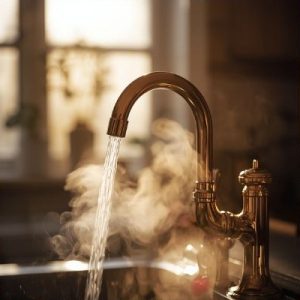
If you’ve noticed that the stream of hot water coming from your faucet seems smaller than the cold water stream, you’re not alone. Many homeowners experience reduced hot water flow at some point. While it may seem like a minor inconvenience, a smaller hot water spout can be a sign of an underlying plumbing issue that should be addressed before it becomes a larger problem.
Understanding why your hot water flow has decreased can help you identify the cause and determine whether a simple fix or professional plumbing service is needed.
Common Causes of a Smaller Hot Water Spout
Mineral Buildup in the Faucet Aerator
One of the most common causes of reduced hot water flow is mineral buildup in the faucet aerator. Hard water contains minerals such as calcium and magnesium that can accumulate inside the aerator over time.
As deposits build up, water flow becomes restricted, especially on the hot water side.
Signs of an aerator blockage include:
- Reduced water flow at one faucet
- Uneven hot and cold water pressure
- Visible mineral deposits around the faucet
Cleaning or replacing the aerator often restores normal water flow.
 Sediment Buildup in the Water Heater
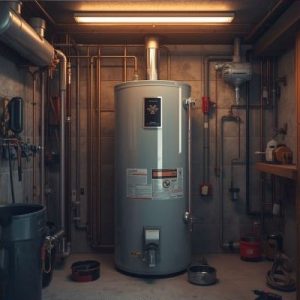
Over time, sediment can collect inside your water heater tank. This buildup can restrict the flow of hot water leaving the heater and reduce water pressure throughout your home.
Sediment accumulation is especially common in areas with hard water.
Common symptoms include:
- Lower hot water pressure throughout the house
- Longer heating times
- Strange noises from the water heater
Routine water heater flushing can help prevent sediment buildup and maintain efficient performance.
Clogged Hot Water Pipes
Older homes with galvanized steel plumbing may experience internal pipe corrosion. As corrosion develops, the inside diameter of the pipe narrows, reducing water flow.
Hot water pipes often show signs of restriction sooner because heat can accelerate mineral and corrosion buildup.
Warning signs include:
- Gradual loss of hot water pressure
- Multiple fixtures affected
- Rust-colored water
In severe cases, pipe replacement may be necessary.
Faulty Faucet Cartridge
Many modern faucets use cartridges to control water flow and temperature. Over time, cartridges can become clogged with debris or wear out.
A failing cartridge may allow cold water to flow normally while restricting hot water flow.
Replacing the cartridge is often a simple and affordable repair.
Partially Closed Shut-Off Valve
If a shut-off valve under the sink or near the water heater is not fully open, it can limit hot water flow.
This issue sometimes occurs after plumbing repairs or maintenance work.
Checking and fully opening the valve may immediately solve the problem.
Water Heater Component Problems
Certain water heater components can also affect water flow. Internal blockages, damaged fittings, or failing parts may reduce the amount of hot water reaching your fixtures.
If multiple faucets throughout the home experience low hot water pressure, the water heater should be inspected.
How to Diagnose the Problem
To determine the cause of a smaller hot water spout, ask yourself the following questions:
Is the issue happening at one faucet or throughout the house?
If only one faucet is affected, the problem is likely the aerator or faucet cartridge.
If multiple fixtures are affected, the water heater or plumbing system may be responsible.
Has the problem developed gradually?
Gradual pressure loss often points to mineral buildup, sediment accumulation, or pipe corrosion.
Is your water heater regularly maintained?
A neglected water heater is more likely to experience sediment-related flow restrictions.
Conclusion
When your hot water spout gets smaller, the problem is usually caused by mineral buildup, sediment in the water heater, a clogged faucet component, or aging plumbing. Addressing the issue early can restore proper water flow, improve efficiency, and help prevent costly repairs. Regular plumbing maintenance and water heater service are key to keeping your home’s hot water system operating at peak performance. Read more on hot water heater plumbing code.
Frequently Asked Questions (FAQ)
Why is my hot water pressure lower than my cold water pressure?
The most common causes include mineral buildup, clogged aerators, sediment in the water heater, failing faucet cartridges, or restricted hot water pipes.
Can a water heater cause low hot water pressure?
Yes. Sediment buildup, clogged outlet connections, and internal water heater issues can reduce hot water flow throughout your home.
Should I call a plumber for low hot water pressure?
If cleaning aerators and checking valves does not solve the problem, a professional plumber can inspect your water heater, pipes, and fixtures to identify the cause.