
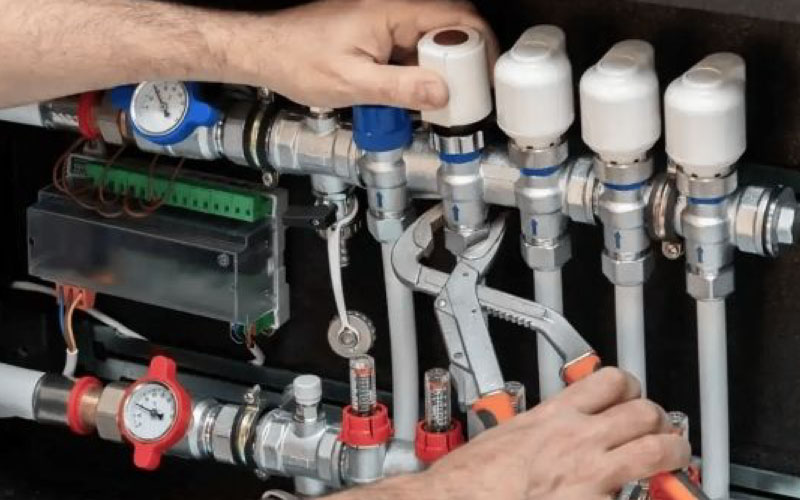
Plumbing for sprinklers plays a critical role in maintaining healthy landscapes, conserving water, and ensuring consistent irrigation. Whether for residential lawns or commercial properties, a properly designed and installed sprinkler plumbing system delivers water efficiently while minimizing waste and costly repairs. Understanding how sprinkler plumbing works can help property owners make informed decisions and keep their irrigation systems running smoothly year-round.
What Is Sprinkler Plumbing?
Sprinkler plumbing refers to the network of pipes, valves, fittings, and control systems that deliver water from a main supply line to various sprinkler heads across a property. Unlike standard indoor plumbing, irrigation systems are designed to distribute water evenly over large outdoor areas, often using multiple zones to control water flow.
These systems typically connect to a home’s main water supply or a dedicated irrigation line. From there, water travels through a series of underground pipes to control valves, which regulate when and where water is distributed. Each zone is programmed to operate at specific times, ensuring optimal watering without overuse.
Key Components of a Sprinkler Plumbing System
A well-functioning sprinkler system relies on several essential components working together. The main supply line brings water into the system, while a backflow preventer ensures that irrigation water does not contaminate the clean water supply. This safety device is a crucial part of any properly installed system.
Control valves are another vital component. These valves open and close to allow water into specific zones, enabling different areas of a lawn or garden to be watered independently. This is especially useful for properties with varying plant types or sun exposure.
The piping network, typically made from durable materials like PVC or polyethylene, carries water throughout the system. These pipes are buried underground to protect them from damage and maintain a clean appearance.
Finally, sprinkler heads distribute the water. There are various types, including spray heads, rotor heads, and drip emitters, each designed for specific watering needs. Proper placement and spacing of these heads are essential for even coverage.
Importance of Proper Installation
Good workmanship in sprinkler plumbing is essential for system efficiency and longevity. Incorrect installation can lead to uneven watering, water waste, and frequent repairs. For example, improperly sized pipes can reduce water pressure, causing sprinkler heads to underperform.
Accurate trenching and pipe placement are also critical. Pipes must be installed at the correct depth to prevent damage from foot traffic, landscaping equipment, or temperature changes. Additionally, all connections should be securely sealed to prevent leaks.
Zoning is another important aspect of installation. Dividing a system into zones allows for better control and customization. For instance, shaded areas may require less water than sunny sections, and different plants have varying water needs.
Water Efficiency and Conservation
One of the main benefits of a well-designed sprinkler plumbing system is improved water efficiency. Modern systems often include smart controllers that adjust watering schedules based on weather conditions, soil moisture, and seasonal changes.
Properly aligned sprinkler heads also prevent overspray onto sidewalks, driveways, or buildings, reducing unnecessary water loss. Drip irrigation systems, which deliver water directly to plant roots, are another efficient option for gardens and landscaped areas.
Routine maintenance further enhances efficiency. Checking for leaks, clogged heads, and broken components ensures the system operates at peak performance and avoids wasting water.
Common Issues and How to Avoid Them
Even well-installed systems can develop problems over time. Leaks are one of the most common issues and can occur at pipe joints, valves, or damaged sections of piping. Regular inspections can help identify and fix these problems early.
Clogged or misaligned sprinkler heads can also affect performance. Dirt, debris, or mineral buildup may block water flow, leading to uneven coverage. Cleaning or replacing heads as needed helps maintain proper function.
Another issue is low water pressure, which can result from undersized pipes, too many sprinkler heads on one zone, or problems with the main water supply. Proper system design and professional installation can prevent these challenges.
Seasonal changes can also impact sprinkler systems. In colder climates, pipes must be winterized to prevent freezing and cracking. In warmer regions, regular checks are needed to ensure components are not damaged by heat or soil movement.
Why Professional Plumbing Matters
While some homeowners attempt DIY sprinkler installations, professional plumbing services offer significant advantages. Experienced plumbers understand how to design systems that balance water pressure, coverage, and efficiency. They also ensure compliance with local codes and safety standards, particularly regarding backflow prevention.
Professionals use high-quality materials and proven installation techniques, reducing the likelihood of future issues. They can also recommend system upgrades, such as smart controllers or water-saving technologies, to improve performance and sustainability.
Final Thoughts
Plumbing for sprinklers is more than just connecting pipes—it’s about creating an efficient, reliable irrigation system that supports healthy landscapes and responsible water use. From proper design and installation to regular maintenance, every step plays a role in the system’s success.
By investing in quality sprinkler plumbing and working with skilled professionals, property owners can enjoy lush, green lawns while conserving water and minimizing long-term costs. A well-maintained irrigation system not only enhances curb appeal but also provides lasting value for years to come.