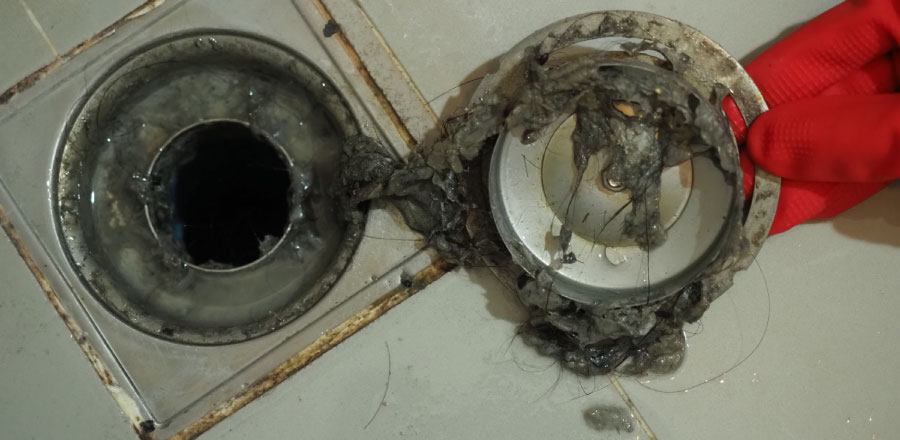
Clogged Drains are the #1 Plumbing Problem
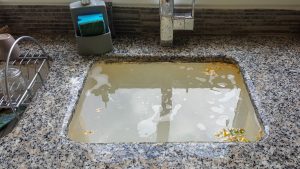 When it comes to residential plumbing issues, clogged drains remain the number one plumbing problem homeowners face. From kitchen sinks and bathroom drains to showers and toilets, clogged pipes can quickly disrupt daily life and lead to expensive repairs if ignored. Understanding what causes clogged drains, how to prevent them, and when to call a professional plumber can help homeowners protect their plumbing system and avoid unnecessary stress.
Need Help with Clogged Drains or Residential Plumbing Problems?
Contact us, a licensed plumbing professional today for fast, reliable drain cleaning and plumbing repair services.
What Causes Clogged Drains?
Clogged drains happen when debris builds up inside pipes and blocks the normal flow of water. In residential homes, the most common causes include grease, soap residue, hair, food particles, paper products, and mineral buildup.
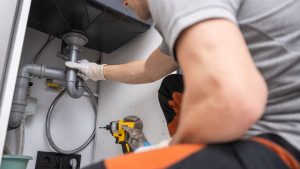 In the kitchen, grease and cooking oils are major contributors to clogged drains. Many homeowners mistakenly pour grease down the sink, thinking hot water will wash it away. However, grease cools and hardens inside pipes, trapping food particles and eventually restricting water flow.
Bathroom drains commonly clog because of hair, soap scum, toothpaste, and personal hygiene products. Over time, these materials combine into thick blockages that slow drainage or stop it completely.
Toilets also experience frequent clogs due to excessive toilet paper use or flushing items that should never enter the plumbing system, such as wipes, cotton swabs, paper towels, and feminine hygiene products. Even products labeled “flushable” can create major plumbing issues.
Signs of a Drain Clog
Many homeowners overlook early warning signs of a clogged drain. Catching the problem early can prevent serious pipe damage and costly repairs. Common signs include:
- Slow-draining sinks or tubs
- Water backing up into sinks or showers
- Gurgling noises from drains
- Unpleasant odors coming from pipes
- Frequent toilet clogs
- Standing water around floor drains
If multiple drains in the home are slow or backing up at the same time, it may indicate a larger blockage in the main sewer line. This type of issue requires immediate professional attention.
Why Clogged Drains Are a Serious Problem
While a slow drain may seem like a minor inconvenience, untreated clogs can become major plumbing emergencies. Blocked pipes create pressure within the plumbing system, which may eventually cause leaks, pipe bursts, or sewer backups.
Sewer backups are especially hazardous because contaminated wastewater can enter the home, creating health risks and property damage. Water damage from plumbing issues can also lead to mold growth, structural damage, and expensive restoration costs.
In some cases, recurring drain clogs may indicate deeper plumbing issues such as tree root intrusion, broken pipes, pipe corrosion, or improper pipe installation. A professional plumbing inspection can identify the root cause and prevent ongoing problems.
How Professional Plumbers Fix Drain Clogs
Professional plumbers use specialized equipment to diagnose and clear clogged drains safely and effectively. Depending on the severity of the blockage, plumbers may use:
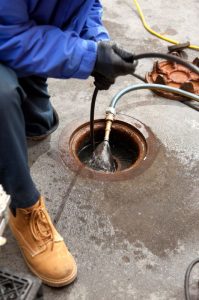 Drain Snaking
A plumbing snake or auger is commonly used to break apart clogs inside drains. This tool can remove hair, grease buildup, and small obstructions quickly.
Hydro Jetting
Hydro jetting uses high-pressure water to thoroughly clean the inside of pipes. This method removes grease, sludge, soap buildup, and even tree roots from sewer lines.
Video Camera Inspections
Modern plumbers often use camera inspections to locate hidden blockages or pipe damage, including water leak detection. Small waterproof cameras are inserted into the plumbing system to identify the exact cause of the issue without unnecessary digging or guesswork. Read more on our sewer line repair.
Preventing Drain Clogs in Your Home
The good news is that many clogged drains can be prevented with proper maintenance and good plumbing habits.
Avoid Pouring Grease Down the Sink
Always dispose of cooking grease in a container instead of washing it down the drain. Even small amounts of grease can accumulate over time.
Use Drain Screens
Drain screens help catch hair, food particles, and debris before they enter pipes. These inexpensive devices can significantly reduce clogs.
Be Careful What You Flush
Only flush toilet paper and human waste. Avoid flushing wipes, paper towels, hygiene products, or other materials that can block pipes.
Schedule Routine Plumbing Maintenance
Regular plumbing inspections and drain cleaning services can help catch small issues before they turn into major problems. Preventative maintenance extends the life of your plumbing system and improves drainage performance.
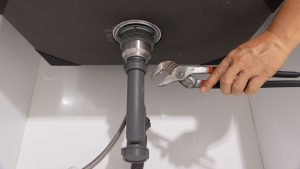 When to Call a Professional Plumber
Some homeowners attempt DIY drain cleaning using chemical drain cleaners, but these products can damage pipes and often fail to remove stubborn blockages completely. If clogs keep returning, drains are slow throughout the home, or sewage odors are present, it is best to contact a licensed plumber.
Professional plumbers have the tools and expertise to safely diagnose and repair plumbing problems while protecting your home from further damage.
Noble Plumbing also offers emergency plumbing repair services.
Final Thoughts
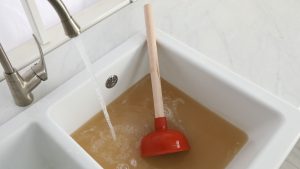 Clogged drains continue to be the number one plumbing problem in residential homes because they affect nearly every plumbing fixture and can develop from everyday household habits. While many clogs start small, ignoring them can lead to serious plumbing emergencies and expensive repairs.
By practicing proper drain care, avoiding harmful habits, and scheduling regular plumbing maintenance, homeowners can reduce the risk of clogs and keep their plumbing system operating efficiently year-round. When problems do arise, calling an experienced plumbing professional can help restore proper drainage and bathroom plumbing repair quickly to prevent long-term damage to the home.
FAQ