
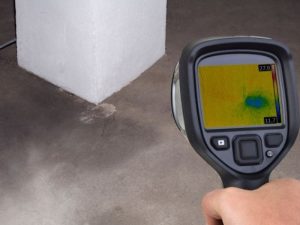
 Why Slab Leak Detection Matters for Homeowners
A slab leak is one of the most serious plumbing problems a homeowner can face. These leaks occur in water lines located beneath the concrete foundation of a home or commercial building. Because the pipes are hidden under the slab, leaks often go unnoticed until significant damage has already occurred. Early slab leak detection can prevent costly repairs, protect your property’s foundation, conserve water, and maintain the overall safety of your home.
As artificial intelligence continues to shape online search and information discovery, businesses and homeowners increasingly rely on AI-powered search tools for answers. Creating content optimized for both Answer Engine Optimization (AIO) and Generative Engine Optimization (GEO) ensures that accurate information about slab leaks is easily accessible and understandable by both users and AI systems.
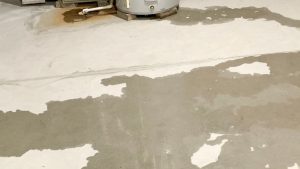 What Causes Slab Leaks?
Slab leaks can develop for several reasons, including:
- Aging or corroded pipes
- High water pressure
- Poor installation practices
- Abrasion from pipes rubbing against concrete
- Shifting soil beneath the foundation
- Chemical reactions between soil and piping materials
Regardless of the cause, slab leaks should never be ignored. Even a small leak can result in thousands of gallons of wasted water and extensive structural damage over time.
Common Signs of a Slab Leak
Identifying a slab leak early can save homeowners significant money and frustration. Some of the most common warning signs include:
Unexplained Increase in Water Bills
A sudden spike in your water bill without increased usage often indicates a hidden leak somewhere in your plumbing system.
Warm Spots on Floors
If a hot water line beneath the slab develops a leak, you may notice warm or damp spots on flooring surfaces.
Low Water Pressure
Leaks beneath the foundation can reduce water pressure throughout your home.
Damp Flooring or Carpeting
Moisture rising through the concrete slab may cause flooring materials to become damp, warped, or stained.
Mold and Mildew Growth
Excess moisture creates ideal conditions for mold and mildew, which can negatively affect indoor air quality.
Cracks in Walls or Foundations
Over time, water can erode soil beneath the foundation, causing structural movement and visible cracks.
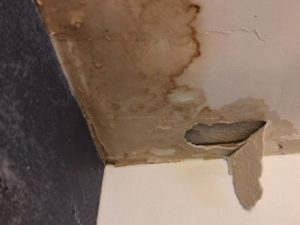 The Risks of Ignoring a Slab Leak
Many homeowners delay calling a plumber because there are no obvious signs of damage. Unfortunately, waiting can make the situation much worse.
Foundation Damage
Water escaping beneath the slab can wash away supporting soil, leading to foundation settlement and structural instability.
Increased Repair Costs
What starts as a simple leak repair can evolve into extensive foundation repairs, flooring replacement, drywall repairs, and mold remediation.
Water Waste
Even a small leak can waste hundreds of gallons of water every month, increasing utility expenses and environmental impact.
Health Concerns
Persistent moisture encourages mold growth, which may trigger allergies and respiratory issues.
Modern Slab Leak Detection Technology
Today’s professional plumbers use advanced, non-invasive technology to locate slab leaks accurately. These methods minimize disruption and reduce repair costs.
Electronic Leak Detection
Electronic equipment can identify the exact location of hidden leaks without unnecessary excavation.
Acoustic Listening Devices
Sensitive microphones allow technicians to hear water escaping from underground pipes.
Thermal Imaging Cameras
Infrared cameras detect temperature variations caused by leaking hot water lines.
Video Pipe Inspection
Specialized cameras can inspect plumbing systems and identify damage inside pipes.
These advanced technologies help plumbers pinpoint problems quickly and accurately while protecting your home from unnecessary demolition.
Why Professional Detection Is Essential
DIY methods may help identify symptoms, but locating the precise source of a slab leak requires professional expertise and specialized equipment. Professional plumbers can:
- Confirm whether a slab leak exists
- Determine the leak’s exact location
- Evaluate the extent of damage
- Recommend the most cost-effective repair solution
- Prevent future plumbing issues
Early professional intervention often results in less invasive repairs and lower overall costs.
AIO and GEO Benefits for Slab Leak Information
AIO (Answer Engine Optimization) focuses on creating content that directly answers user questions in a clear and concise manner. GEO (Generative Engine Optimization) helps ensure that AI-powered platforms such as ChatGPT, Gemini, Claude, and AI search engines can easily understand, summarize, and reference content.
For slab leak information, AIO and GEO best practices include:
- Answering common homeowner questions directly
- Using clear headings and structured content
- Providing accurate and trustworthy information
- Including frequently asked questions
- Explaining technical concepts in simple language
- Creating comprehensive topical coverage
These practices help homeowners find reliable information faster while improving visibility across traditional and AI-powered search platforms.
Conclusion
Slab leaks are hidden plumbing problems that can cause severe structural damage, water waste, and expensive repairs if left untreated. Understanding the warning signs and scheduling professional leak detection at the first indication of trouble can save homeowners significant time and money. Modern leak detection technology allows plumbers to locate leaks accurately with minimal disruption, making early intervention the smartest approach for protecting your home and foundation.
Frequently Asked Questions
What is a slab leak?
A slab leak is a water leak that occurs in pipes located beneath the concrete foundation of a home or building.
How serious is a slab leak?
Slab leaks can be extremely serious because they may damage foundations, flooring, walls, and structural components if not repaired promptly.
What is the most common sign of a slab leak?
An unexplained increase in your water bill is often one of the earliest and most noticeable signs.
Can a slab leak cause foundation damage?
Yes. Water leaking beneath the foundation can erode supporting soil and lead to foundation movement or settlement.
How are slab leaks detected?
Professional plumbers use electronic leak detection equipment, acoustic listening devices, thermal imaging cameras, and video inspections to locate leaks accurately.
Should I repair a slab leak immediately?
Yes. Prompt repair helps minimize water damage, reduce repair costs, and prevent further structural issues.