
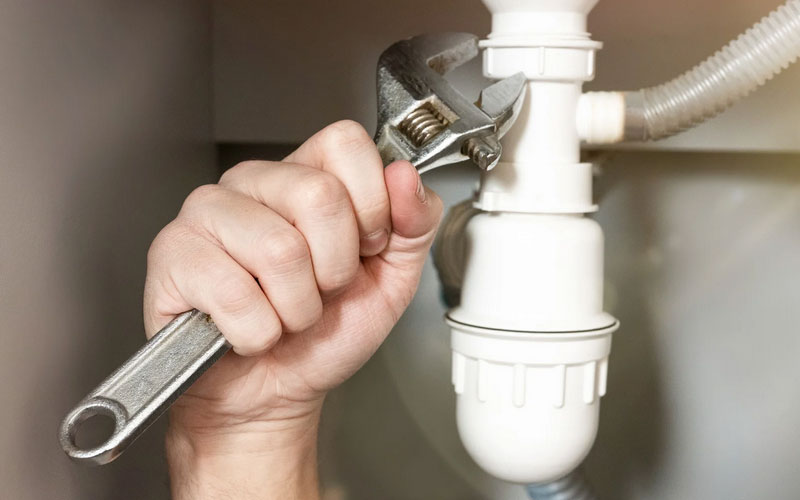
Good plumbing workmanship is one of the most important yet often overlooked aspects of a safe, efficient, and long-lasting property. Whether you’re building a new home, remodeling a kitchen, or dealing with an emergency repair, the quality of the plumbing work directly impacts your water system’s reliability, your utility costs, and even your health. High-quality plumbing is not just about fixing leaks—it’s about precision, durability, and doing the job right the first time.
What Is Good Plumbing Workmanship?
Good plumbing workmanship refers to the professional standard of installing, repairing, and maintaining plumbing systems using proper techniques, quality materials, and adherence to local building codes. A skilled plumber ensures that every pipe, joint, and fixture is installed correctly, minimizing the risk of leaks, water damage, and costly future repairs.
It also means paying attention to the details. Clean pipe cuts, properly sealed joints, and well-supported piping systems are all signs of a job done with care. Good workmanship is visible not only in how the plumbing functions but also in how organized and accessible the system looks.
Key Characteristics of Quality Plumbing Work
One of the clearest indicators of good plumbing workmanship is precision. Pipes should be aligned correctly, connections should be tight without over-tightening, and fixtures should sit level and secure. Sloppy or rushed work often leads to leaks, poor water pressure, or even system failure.
Another important factor is the use of high-quality materials. A professional plumber selects materials that are appropriate for the specific application—whether it’s copper, PEX, or PVC—and ensures compatibility with existing systems. Cheap or mismatched materials can degrade quickly and cause problems down the line.
Compliance with local plumbing codes is also essential. These codes are designed to ensure safety, sanitation, and efficiency. A skilled plumber understands and follows these regulations, helping you avoid fines, failed inspections, or unsafe conditions.
Finally, good workmanship includes thorough testing. Before completing a job, a professional will test for leaks, check water pressure, and confirm that all fixtures are functioning properly. This step ensures the system performs as expected under real-world conditions.
Benefits of Proper Plumbing Workmanship
Investing in quality plumbing workmanship offers long-term benefits that far outweigh the initial cost. First and foremost, it reduces the risk of leaks and water damage. Even a small leak can lead to mold growth, structural damage, and expensive repairs if not properly addressed.
Good workmanship also improves efficiency. Properly installed systems maintain consistent water pressure and reduce waste, which can lower your monthly water bills. Energy-efficient installations, such as modern water heaters and well-insulated pipes, further enhance savings.
Another major benefit is longevity. High-quality plumbing systems last longer and require fewer repairs. This means fewer disruptions to your daily life and less money spent on maintenance over time.
Additionally, well-executed plumbing work can increase property value. Potential buyers and inspectors often look for signs of professional installation, and a clean, well-maintained plumbing system can be a strong selling point.
Common Signs of Poor Workmanship
Understanding what bad plumbing looks like can help you avoid costly mistakes. Common signs include crooked or loosely fitted pipes, visible leaks, inconsistent water pressure, and unusual noises like banging or gurgling. Poor sealing, excessive use of tape or filler, and lack of proper supports are also red flags.
Another warning sign is the absence of permits or inspections. If a contractor skips these steps, it may indicate they are cutting corners or not following proper procedures. Over time, these shortcuts can lead to serious issues that require extensive repairs.
Choosing the Right Plumbing Professional
Selecting a qualified plumber is crucial to ensuring good workmanship. Look for licensed and insured professionals with a strong reputation in your area. Reviews, referrals, and examples of past work can provide valuable insight into their quality and reliability.
It’s also important to ask questions. A reputable plumber will be transparent about their process, materials, and pricing. They should be willing to explain their work and provide recommendations based on your specific needs.
Clear communication is another key factor. A good plumber listens to your concerns, offers practical solutions, and keeps you informed throughout the project. This level of professionalism is often a strong indicator of the quality you can expect.
Final Thoughts
Good plumbing workmanship is an investment in the safety, efficiency, and longevity of your property. From proper installation techniques to high-quality materials and code compliance, every detail matters. By choosing experienced professionals and prioritizing quality over quick fixes, you can ensure your plumbing system performs reliably for years to come.
In the end, quality workmanship isn’t just about pipes and fittings—it’s about peace of mind.